


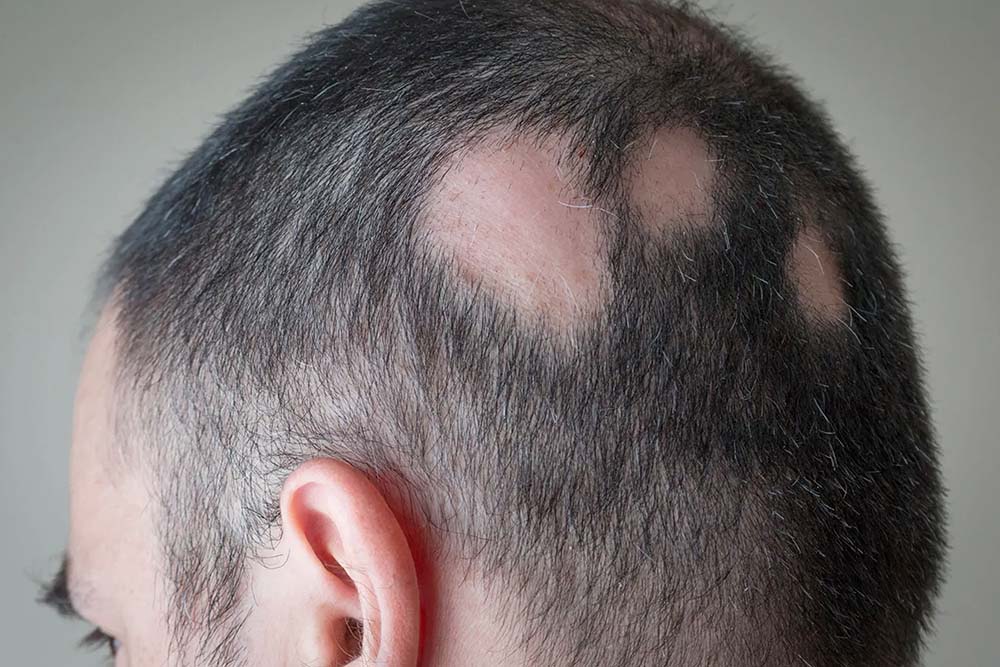
Alopecia Areata Treatment – What It Is, Why It Happens, and How It Can Be Treated
One day your hair looks completely normal. Then you notice a small round patch where the hair is just gone. No itching, no pain, no obvious reason. You check it again the next week and it looks bigger. You start wondering if it will spread to your whole scalp. This is exactly how alopecia areata begins for most people — quietly, suddenly, and with very little warning.
It is more common than most people realize. Alopecia areata affects people of all ages, including children and teenagers, and it has nothing to do with poor hygiene or nutrition in the way most people assume. It is an autoimmune condition. This means your own immune system, which is supposed to protect your body, mistakenly starts attacking your hair follicles. The follicles do not die — they just go into a kind of shock and stop producing hair. This is actually important because it means the hair can grow back.
The tricky part is that alopecia areata is unpredictable. Some people get one small patch and it fills back in on its own within a few months. Others develop multiple patches, and in some cases it progresses to alopecia totalis where all scalp hair is lost, or alopecia universalis where body hair is affected too. There is no way to know at the beginning which direction it will go, which is why getting a proper diagnosis early matters a lot.
Stress is one of the most commonly reported triggers. Many people notice their first patch appearing weeks after a period of intense emotional or physical stress. Other triggers include illness, hormonal changes, and in some cases a family history of autoimmune conditions. But sometimes there is no clear trigger at all, and that can feel frustrating when you are trying to understand why this is happening to you.
Treatment for alopecia areata has improved considerably. Corticosteroid injections directly into the affected patches are one of the most effective first-line treatments — they calm the immune response locally and encourage the follicles to start working again. Topical corticosteroids, minoxidil, and immunotherapy options are also used depending on how widespread the hair loss is. More recently, a class of medications called JAK inhibitors has shown very promising results for people with extensive alopecia areata, and dermatologists are now using them with growing confidence.
The key is that treatment needs to be customized. What works well for a small single patch may not be the right approach for someone dealing with multiple patches or complete scalp hair loss. This is why seeing a specialist makes all the difference. Treatment in Delhi for alopecia areata has become more advanced, with doctors in Delhi using combination approaches that address both the immune response and follicle stimulation together. A well-equipped clinic in Delhi will also factor in your stress levels, overall health, and how long you have had the condition before putting together a plan.
For anyone in Delhi looking for experienced dermatologists who understand alopecia areata properly, Dadu Medical Centre provides thorough diagnosis and evidence-based treatment plans tailored to each patient's specific condition and stage of hair loss.
Frequently Asked Questions (8)
Q1. Will my hair grow back on its own with alopecia areata?
Ans:- In mild cases it sometimes does, but seeing a dermatologist early improves your chances of faster and fuller regrowth.
Comments (0)
Loading comments...