


Oily Scalp – Causes, Solutions and Treatment Guide from Dadu Medical Centre, Delhi
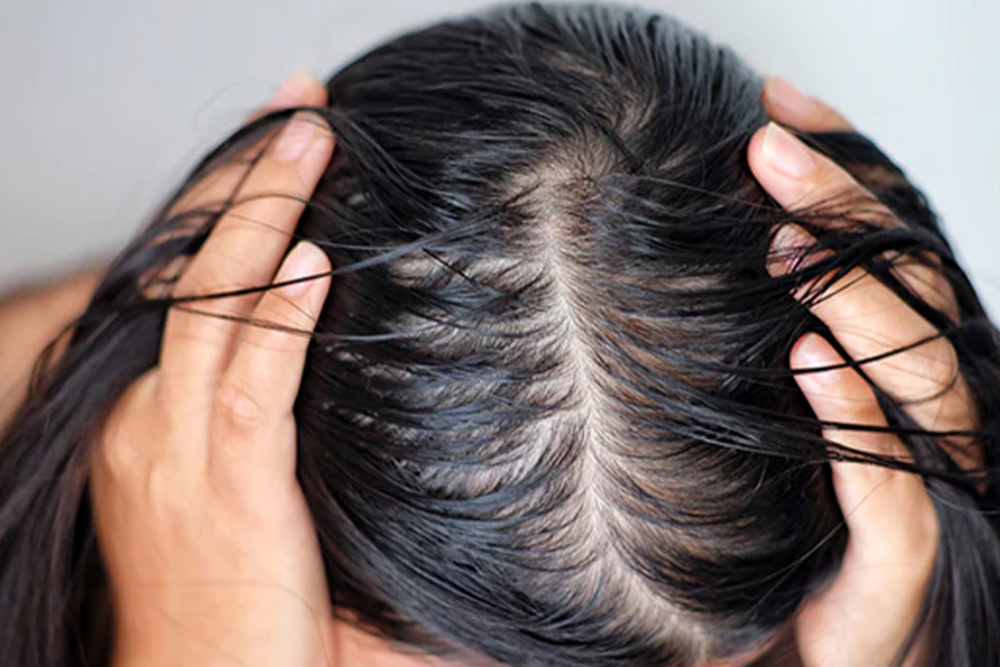
An oily scalp is one of those conditions that is difficult to ignore and even harder to manage on your own the hair looks greasy just hours after washing, the scalp feels uncomfortable and heavy, dandruff appears along with the oiliness, and the hair seems to lack the volume and freshness it should have. For many people this is a daily frustration that affects confidence as much as it affects the hair itself. Oily scalp seborrheic dermatitis treatment in Delhi at Dadu Medical Centre is something that a growing number of patients seek out specifically because the standard advice wash more frequently, try a different shampoo rarely gets to the root of the problem. Excess oil on the scalp is not simply a hygiene issue. It is a condition driven by the sebaceous glands the oil-producing glands attached to each hair follicle becoming overactive and producing far more sebum than the scalp actually needs. When this happens consistently, the excess sebum creates a damp, oily environment on the scalp surface that becomes an ideal breeding ground for a yeast called Malassezia, which naturally lives on the scalp but proliferates aggressively when oil levels are high. The overgrowth of this yeast triggers inflammation and the accelerated shedding of skin cells that shows up as dandruff which is why so many people with an oily scalp also have dandruff. At Dadu Medical Centre, a trusted hair and scalp treatment clinic in Delhi, Dr. Nivedita Dadu assesses oily scalp cases as medical conditions rather than cosmetic concerns identifying the root cause through a detailed scalp examination and history, and recommending a treatment plan that addresses what is actually driving the excess oil production. The clinic is located at Vasant Vihar in South Delhi and Rajouri Garden in West Delhi.
The sebaceous glands in the scalp are regulated by hormones primarily androgens like testosterone and its derivatives. When androgen levels are elevated, or when the sebaceous glands are particularly sensitive to normal androgen levels, the glands are stimulated to produce more sebum than necessary. This is why oily scalp tends to be worst during puberty, during pregnancy, in women with PCOS, and during periods of significant hormonal fluctuation. Genetics also plays a role some people simply inherit sebaceous glands that are more numerous or more active than average, and no amount of washing will permanently reduce their output. Stress is another significant trigger the stress hormone cortisol stimulates sebaceous gland activity directly, which is why many people notice their scalp getting oilier during particularly demanding periods at work or during personal difficulties. Diet has a contributing role as well high glycaemic foods and excessive dairy intake increase levels of insulin-like growth factor 1 in the blood, which stimulates both sebaceous gland activity and the production of androgens, amplifying scalp oiliness. Hot and humid weather which describes Delhi for a large part of the year speeds up oil secretion because heat dilates the sebaceous glands and sweat mixes with the sebum to make the scalp feel oilier and more uncomfortable faster. Over-washing the scalp in an attempt to manage the greasiness can paradoxically make things worse when the scalp is stripped of its oil too frequently, the sebaceous glands detect the loss and compensate by producing more oil, leading to a frustrating cycle where the scalp is greasy again within hours of washing.
What to actually do about an oily scalp both at home and with medical help depends on how severe the condition is and what is driving it. For mild to moderate oiliness without significant dandruff or scalp inflammation, some adjustments to the washing routine and the products used can make a meaningful difference. Washing the hair every other day rather than daily gives the scalp a chance to regulate without the overcorrection that comes from stripping the oil too frequently. Using a shampoo that contains zinc pyrithione, ketoconazole, or salicylic acid helps manage the Malassezia yeast overgrowth that is usually present and reduces the dandruff and scalp irritation that come with it. After shampooing, conditioner should be applied only to the lengths and ends of the hair never to the scalp itself, as it adds unnecessary occlusion to an already oily surface. Avoid massaging oil into the scalp if it is already overproducing oil oil-based hair treatments are counterproductive in this case and will make the greasiness worse. Silicone-heavy styling products should also be avoided as they coat the scalp and trap sebum. From a diet perspective, reducing refined sugar, processed foods, and excessive dairy while increasing water intake and omega-3 fatty acids from fish, walnuts, or flaxseed supports the overall hormonal environment that the sebaceous glands operate in and can reduce their activity meaningfully over time.
For more persistent or severe oily scalp conditions including cases where significant dandruff is present, where scalp inflammation or seborrheic dermatitis has developed, or where hair fall has started alongside the oiliness a proper consultation at a scalp treatment clinic in Delhi is the right step. The scalp doctors in Delhi at Dadu Medical Centre evaluate the scalp through a trichoscopy examination a non-invasive procedure where a digital magnification device is used to look at the scalp surface and hair follicles in detail to assess the condition of the follicles, the sebaceous glands, and the degree of inflammation present. Blood tests may be recommended to check for hormonal imbalances including androgens, thyroid function, and in women the hormonal markers related to PCOS that may be driving the excess sebum production and, if present, contributing to hair fall as well. In-clinic treatment for oily scalp at Dadu Medical Centre includes medicated scalp treatments applied directly to the scalp under dermatological supervision, scalp mesotherapy with customised nutrient and regulatory formulas delivered into the scalp to normalise sebaceous gland activity, anti-fungal and anti-inflammatory topical preparations prescribed after diagnosis, and low-level laser therapy for cases where the oily scalp has progressed to hair fall. The goal at every stage is to bring the sebaceous gland activity back to a normal, manageable level not to eliminate scalp oil completely, because some oil is essential for healthy hair and scalp function while addressing any secondary conditions like dandruff, scalp inflammation, or follicular damage that have developed as a result of the long-standing excess oiliness.
Oily Scalp Treatment Options at Dadu Medical Centre, Delhi
Treatment | What It Does | Best For | Approx. Cost |
Medicated Prescription (Antifungal / Anti-inflammatory) | Controls Malassezia yeast, reduces scalp inflammation | Seborrheic dermatitis, dandruff with oily scalp | Rs. 300 – Rs. 1,500 per month |
Scalp Mesotherapy | Customised nutrient and regulatory formula injected into scalp | Persistent oiliness, scalp inflammation, early hair fall | Rs. 4,000 – Rs. 10,000 per session |
Low-Level Laser Therapy (LLLT) | Stimulates follicle health, improves scalp circulation | Oily scalp with associated hair fall | Rs. 2,000 – Rs. 5,000 per session |
Scalp Peeling Treatment | Removes excess sebum build-up and dead cell layer from scalp | Flaky, congested scalp with heavy oiliness | Rs. 1,500 – Rs. 4,000 per session |
Blood Test + Hormonal Assessment | Identifies androgens, PCOS, thyroid triggers | Persistent oily scalp unresponsive to topical treatment | Rs. 500 – Rs. 3,000 |
Trichoscopy (Scalp Examination) | Digital magnified assessment of scalp and follicles | Initial diagnosis before any treatment is started | Rs. 500 – Rs. 1,500 |
Prices are approximate. Final cost confirmed after consultation and scalp assessment at the clinic.
Common Causes of Oily Scalp and How They Are Addressed
Cause | How It Makes the Scalp Oily | How It Is Addressed |
Hormonal Imbalance (Androgens) | Androgens directly stimulate sebaceous glands to overproduce oil | Blood test, hormonal regulation medically or through lifestyle |
PCOS | Elevated androgens amplify both scalp oil and hair fall | Dermatologist + gynaecologist collaboration for best outcome |
Stress and High Cortisol | Cortisol stimulates sebaceous gland secretion directly | Stress management, scalp mesotherapy to regulate oil |
Genetics | Inherited overactive or numerous sebaceous glands | Managed with consistent topical and in-clinic treatment |
High Glycaemic Diet | Raises IGF-1 which stimulates androgens and sebum production | Reduce refined sugar, processed food, excess dairy intake |
Hot / Humid Climate | Heat dilates glands and accelerates sebum secretion | Lightweight products, regular but not excessive cleansing |
Over-Washing | Strips oil, triggers compensatory overproduction by glands | Wash every 1 – 2 days with appropriate shampoo |
Malassezia Yeast Overgrowth | Excess sebum feeds yeast, causing dandruff and inflammation | Antifungal shampoos or prescribed medication |
Understanding the cause helps the doctor choose the right treatment approach for each individual.
Scalp Care Guide – What to Do and What to Avoid for Oily Scalp
Category | Recommended | Avoid |
Washing Frequency | Every 1 – 2 days using appropriate shampoo | Daily washing leads to compensatory oil overproduction |
Shampoo Ingredients | Zinc pyrithione, ketoconazole, salicylic acid | Shampoos with heavy silicones or oils in the formulation |
Conditioner Use | Lengths and ends only, not the scalp | Applying conditioner directly to the scalp |
Hair Oiling | Avoid oiling directly on the scalp | Massaging heavy oils like coconut oil into the scalp |
Diet | Omega-3 rich foods, hydration, whole grains | Excess sugar, white rice, refined carbs, excessive dairy |
Styling Products | Lightweight, water-based styling products | Wax, heavy serums, or oil-based styling products on scalp |
Water Temperature | Lukewarm water to wash hair | Hot water dilates sebaceous glands and increases oil flow |
Stress Management | Exercise, sleep, and consistent routine | Ignoring stress cortisol directly amplifies scalp oil |
Following these consistently alongside medical treatment gives the best long-term control of oily scalp.
Comments (0)
Loading comments...