


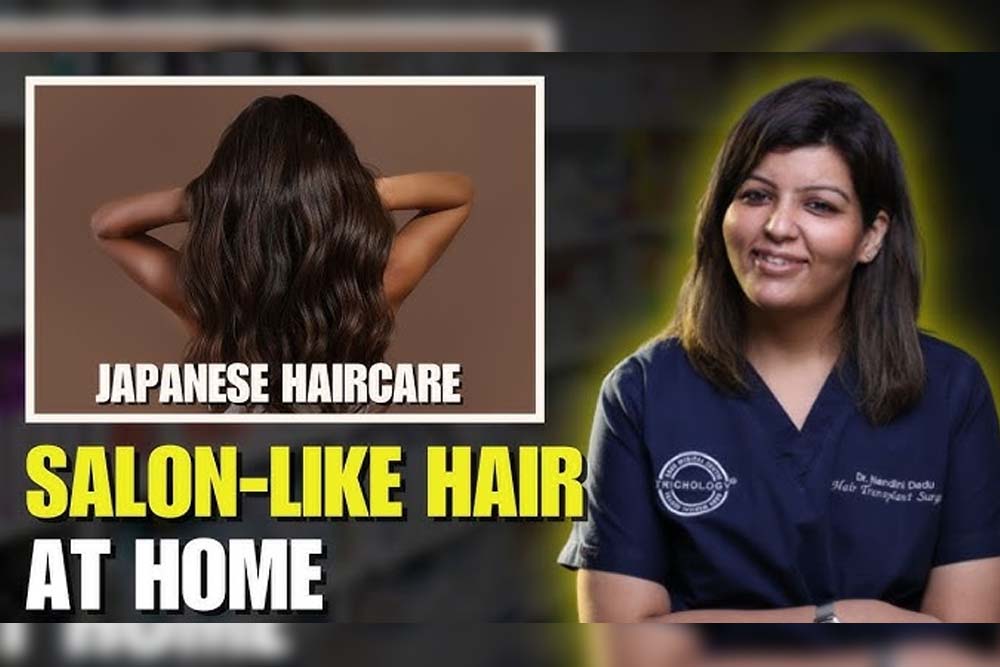
Japanese Hair Care Products: What They Actually Do (And What They Don't)
Just like Korean glass skin took over skincare conversations, Japanese hair care products have become the new trend everyone's talking about. And honestly, it's easy to see why the ingredient lists genuinely look impressive, packed with botanical, organic actives that sound like exactly what stressed, damaged hair needs. If you're researching a genuine hair treatment in Delhi for hair concerns and wondering whether this trend is worth your money, here's an honest breakdown of what these products actually do.
What's Actually Inside Japanese Hair Care Products
The ingredient profile here is genuinely impressive on paper. Camellia oil and rice bran oil bring shine and hydration. Rice water works to strengthen hair strands. Keratin and amino acids support hair repair. Beyond these, you'll typically find green tea extract, wasabi extract, seaweed extract, and a fairly high concentration of keratin and amino acids, along with ceramides that claim to help with scalp inflammation.
Key Ingredient | What It Does |
Camellia oil, rice bran oil | Shine, hydration |
Rice water | Strand strengthening |
Keratin, amino acids | Hair repair support |
Green tea, seaweed extract | Antioxidant, nourishing support |
Ceramides | Claims to address scalp inflammation |
Compositionally, all of this is genuinely good, and there's real science behind why these ingredients work on hair and scalp. The honest question, though, is whether "working" here means what most people actually need it to mean.
What These Products Genuinely Deliver
These formulations are excellent for giving hair a glass-like, glossy finish. They'll bring shine, smoothness, and reduce frizz, often within 72 hours of consistent use. If you regularly blow-dry or use chemical styling products, you'll likely see real benefit here. If your hair simply feels damaged from styling and general wear, the conditioners, shampoos, and leave-on serums in this category can genuinely help restore that surface-level health and shine.
Where They Fall Short
Here's where it matters to be honest if your actual concern is hair thinning, hair fall, or lack of growth, Japanese hair care products simply aren't built to address that.
They won't help with androgenetic alopecia, the hormonal hair thinning affecting both men and women at the follicle level. If your hair is breaking or falling due to a genuine nutritional deficiency, no amount of these products will reduce that shedding. If you're dealing with traction alopecia hairline recession from tight hairstyles these won't stimulate regrowth in that area. And if your hair simply isn't growing the way it used to, these shampoos and conditioners aren't growth-promoting formulations, regardless of how premium or trending they are.
Concern | Will Japanese Hair Care Help? |
Dullness, frizz, surface damage | Yes |
Shine and smoothness | Yes |
Hormonal hair thinning (androgenetic alopecia) | No |
Nutritional deficiency-driven hair fall | No |
Traction alopecia | No |
Lack of hair growth | No |
Why the Distinction Matters
If you're dealing with a genuine hair loss concern, what you actually need is a medically approved treatment or serum with a dermatologically tested composition something formulated to work at the root level, strengthening and stimulating follicles directly, promoting genuine growth. If nutritional deficiency is contributing, that needs to be corrected separately too, since topical application alone, however premium the formulation, won't fix an internal deficiency.
So, Should You Use Japanese Hair Care Products?
Genuinely, yes if what you're after is shine, smoothness, and reduced frizz, there's no reason to avoid this range of shampoos, conditioners, or leave-on serums. They deliver exactly what they're formulated for. The key is simply not expecting them to resolve concerns they were never designed to address.
Your Goal | Right Choice |
Glossy, smooth, frizz-free hair | Japanese hair care range |
Treating hair thinning or loss | Dermatologically approved treatment |
Correcting nutritional hair fall | Address the deficiency directly, then support with serum |
Getting the Right Diagnosis Before Choosing Products
This kind of distinction cosmetic enhancement versus genuine medical treatment comes up often during consultations at Dadu Medical Centre. If you're unsure whether your hair concern is purely cosmetic or something that needs actual clinical attention, consulting a dermatologist in Delhi can save you months of investing in products that were never going to solve the underlying issue.
For anyone exploring a proper hair clinic in Delhi, understanding this distinction trending cosmetic products versus dermatologically approved treatment makes a real difference in where you spend your time and money, especially if hair thinning or loss is the actual concern.
Final Thoughts
Japanese hair care products genuinely deliver on shine, smoothness, and that coveted glass-hair finish, and they're worth trying if that's your goal. But for real concerns like hormonal thinning, nutritional deficiency-driven hair fall, or traction alopecia, no amount of premium botanical shampoo will substitute for a proper diagnosis and medically appropriate treatment. Knowing which category your concern falls into is what actually determines where your effort and money are well spent.
Comments (0)
Loading comments...