


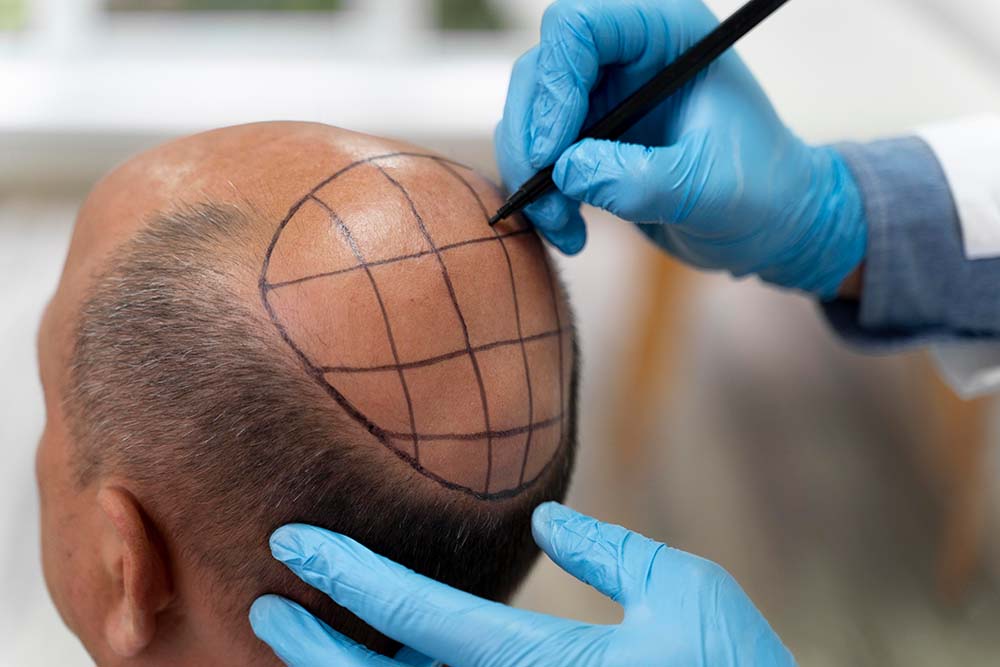
Hair Transplant Success Rate – What It Really Means and What Determines Your Results
Hair transplant is one of those decisions people sit on for years. You research it, bookmark articles, watch videos, and then close the tab because you are not entirely sure it will actually work for you. The most common question people ask before going ahead is simple what are the chances this will actually work?
The answer, when done right, is very encouraging.
Modern hair transplant procedures have a success rate of around 90 to 95 percent when performed by a skilled surgeon on a suitable candidate. That means the vast majority of people who go through the procedure end up with natural-looking, permanent hair in areas that were previously bald or thinning. But that number comes with important context because success does not just depend on the procedure itself. It depends on several factors that are specific to you.
Let us break down what actually determines whether a hair transplant works well.
The first and most critical factor is the quality and density of your donor area. Hair transplant works by taking hair follicles from a part of your scalp usually the back and sides where hair is genetically resistant to falling. These follicles are then transplanted to the thinning or bald areas. If your donor area does not have enough healthy follicles to work with, the results will naturally be limited. This is why a proper assessment before the procedure matters so much.
The second factor is the stage of your hair loss. Ideally, hair transplant gives the best results when hair loss has stabilized meaning it has stopped actively progressing. If someone undergoes a transplant while their hair loss is still advancing aggressively, they may need additional sessions later as more native hair continues to fall around the transplanted grafts. Doctors usually recommend getting hair loss under control with medication before committing to surgery.
The technique used also plays a significant role. FUE Follicular Unit Extraction is currently the most widely used and preferred method. It involves extracting individual follicles one by one and transplanting them, leaving no linear scar and allowing for a faster recovery. FUT Follicular Unit Transplantation involves removing a strip of scalp and is sometimes used when a larger number of grafts are needed. Both techniques have strong success rates in the right hands, but the skill and experience of the surgeon performing the procedure makes the single biggest difference in the outcome.
Post-procedure care is something many people underestimate. Following the aftercare instructions properly avoiding sun exposure, not touching the grafts, taking prescribed medications, and being patient through the shedding phase directly affects how well the transplanted hair takes root and grows.
The shedding phase is something worth mentioning specifically because it surprises a lot of people. Around two to four weeks after the procedure, the transplanted hair falls out. This is completely normal and expected. The follicles are still alive underneath the scalp and new hair begins growing from them over the following months. Most people see significant growth between four to eight months and full results by the twelve month mark.
Hair transplant treatment in Delhi has grown into a highly specialized field, with doctors in Delhi now combining advanced FUE techniques with supportive treatments like PRP therapy to improve graft survival and overall density. A reputable clinic in Delhi will always give you an honest assessment of what is achievable based on your specific hair loss pattern, donor density, and health before recommending the procedure.
For those in Delhi considering a hair transplant and looking for experienced, trustworthy specialists, Dadu Medical Centre offers thorough pre-transplant evaluations and personalized treatment planning to ensure the best possible outcome for every patient.
Comments (0)
Loading comments...